

TLDR
Define your social media target audience by patient segment—parents researching braces for teens, adult Invisalign candidates, and local competitors—then match them to the right platforms. Tighter targeting reduces cost per start and improves consultation show rates. Consistency in messaging builds trust and converts followers into actual bookings. Audience definition matters far more than follower count for orthodontic practices.
Most orthodontic practices chase raw follower growth and call it success. A practice with 5,000 unqualified followers who never book a consultation wastes budget and time. A practice with 800 followers who are actively researching braces or Invisalign converts at a measurably higher rate. This is the core difference between vanity metrics and real business results.
Your social media target audience definition matters more than follower count because it determines whether your investment drives consultations or just engagement. When you know exactly who your ideal patient is—a parent in Peekskill researching traditional braces for a 12-year-old, or a 35-year-old professional considering Invisalign—you can speak directly to their needs, concerns, and timeline. That specificity builds trust and moves people toward booking.
Practices that ignore audience definition often attract followers interested in dental content generally but with no immediate need for orthodontics. They like your posts, share your content, and never call. By contrast, practices that define their audience segments and target them deliberately see higher consultation show rates and lower cost per start. This reflects 20+ years of data tracking how orthodontic practices convert social media followers into actual patients.
Tighter geographic and demographic targeting during seasonal peaks—back-to-school, New Year resolutions, summer smile prep—reduces cost per start in competitive local orthodontic markets. Practices using precise audience segmentation report measurably better results than those running broad, untargeted campaigns.
Table of contents
Platform Behavior Breakdown
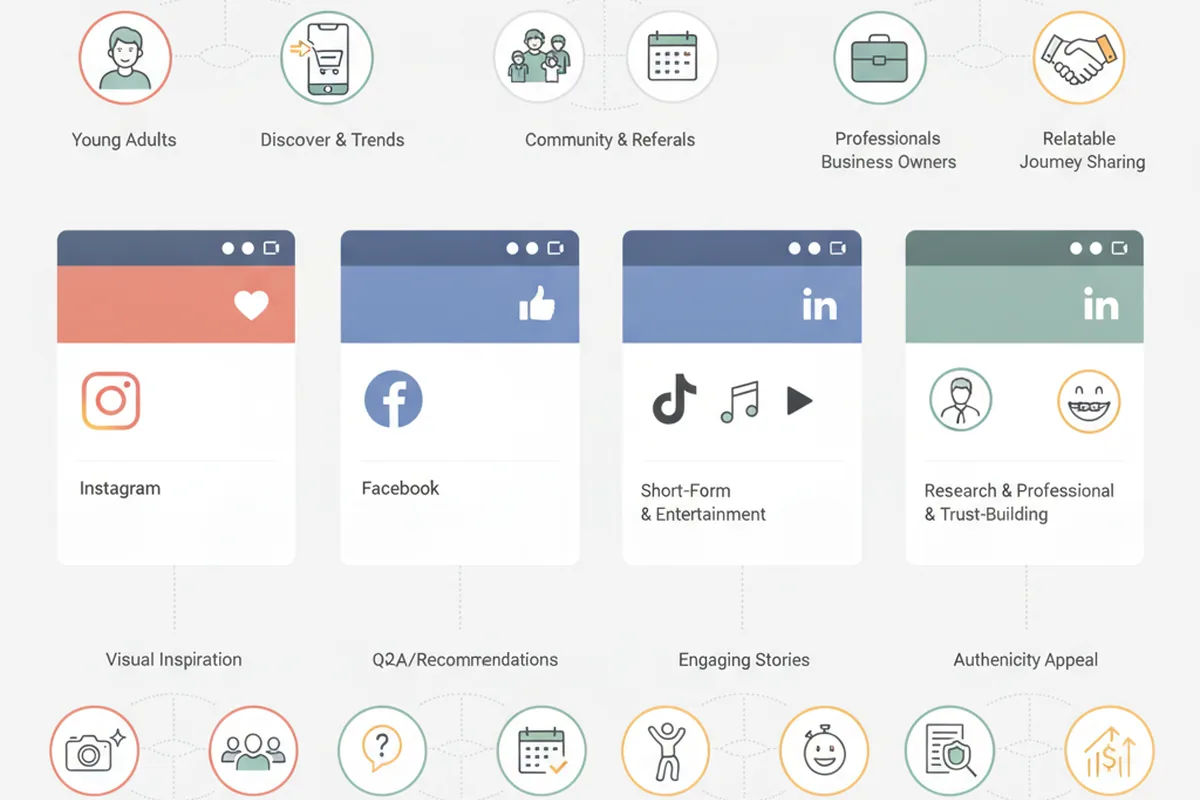
Each social platform delivers orthodontic audiences differently, and ignoring those differences wastes budget and reduces engagement. Facebook and YouTube reach parents researching braces for their children; Instagram and TikTok engage adult Invisalign candidates; LinkedIn serves competitive referral positioning. Understanding where your audience actually spends time is the first step to building a social media strategy that works.
Facebook and YouTube for Parents Researching Braces
Parents researching traditional braces for teens spend significant time on Facebook and YouTube. They search for “braces for kids,” watch before-and-after videos, and join parent groups discussing orthodontic options. Facebook’s targeting tools let you reach parents by age, location, and interests—exactly what you need to connect with families in your area making a braces decision. YouTube works similarly; parents watch educational content about the braces process, treatment duration, and cost before contacting a practice.
A concrete example: a practice in Peekskill running a Facebook campaign targeting parents aged 35–55 with school-age children in the 10566 zip code and surrounding areas will reach people actively considering braces. These are high-intent audiences. They are not just browsing; they are researching a decision they plan to make soon. Your messaging should address their specific concerns: “Will braces hurt?” “How long does treatment take?” “What’s the cost?” Facebook’s format—longer-form posts, carousel ads, video—suits this educational approach perfectly.
Instagram and TikTok for Adult Invisalign Candidates
Adult Invisalign patients behave differently across platforms than parents researching traditional braces. On Instagram, adult patients seek aesthetic inspiration and lifestyle content. They follow influencers, look at before-and-after transformations, and engage with polished, visually appealing posts. TikTok reaches younger adults and Gen Z through short, entertaining videos that show real patient stories and quick treatment highlights. Both platforms reward visual storytelling and authenticity.
Adult Invisalign candidates on Instagram respond to aspirational content—confident smiles, professional headshots, lifestyle photos showing off their new teeth. They want to see themselves in the transformation. TikTok works best for quick, relatable content: “Day 1 vs. Day 90 of Invisalign,” patient testimonials in 15–30 seconds, or behind-the-scenes practice moments. The key difference from the Facebook parent audience is tone and format.
Parents want reassurance and education; adult Invisalign patients want inspiration and proof that the treatment is worth the investment. Ignoring these platform differences and running the same educational content on Instagram that works on Facebook will result in lower engagement and wasted ad spend.
LinkedIn for Competitive Referral Positioning
LinkedIn serves a different purpose: positioning your practice as a trusted referral partner for general dentists and other healthcare providers. While LinkedIn does not drive direct patient acquisition the way Facebook or Instagram do, it builds credibility and relationships with referring dentists in your area. Posts about clinical expertise, practice milestones, and team credentials reach professionals who may refer patients to you.
Audience Targeting and Specificity
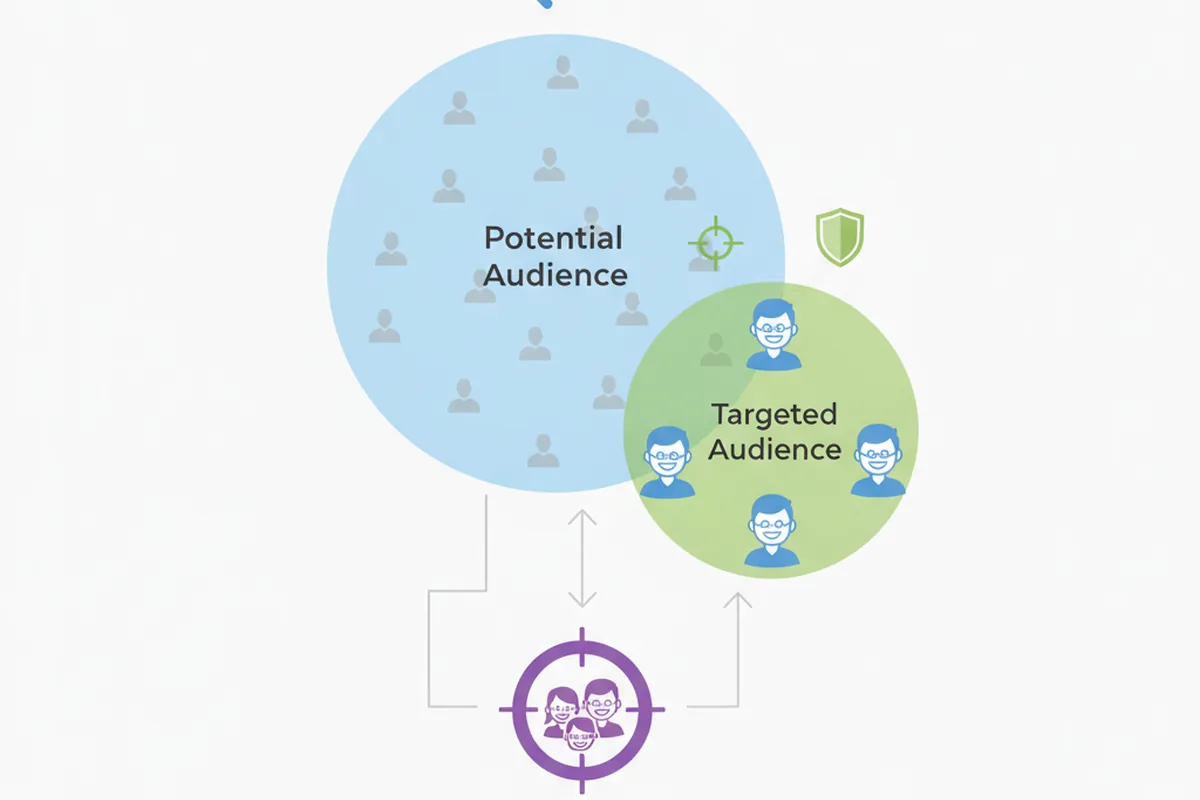
Tighter geographic and demographic targeting during seasonal peaks reduces cost per start in competitive local orthodontic markets. When you narrow your audience to the right people at the right time, you spend less to reach qualified prospects and see higher conversion rates. Back-to-school is the single largest seasonal peak for orthodontic patient acquisition, creating a predictable, high-intent audience window where precision targeting delivers measurable results.
Back-to-School Seasonal Audience Shifts
Back-to-school is the single largest seasonal peak for orthodontic patient acquisition. Parents make treatment decisions in July and August so their children can start braces before the school year begins. This creates a predictable, high-intent audience window. Practices that tighten their targeting during these months—focusing budget on parents with school-age children, emphasizing “start before school,” and highlighting quick initial appointments—see measurably better results than those running the same campaigns year-round.
A practice running a back-to-school campaign should narrow its audience to parents aged 30–55 with children aged 8–17 in a 10–15 mile radius of the practice location. The messaging should address the seasonal urgency: “Get braces on before school starts,” “Summer is the perfect time to begin treatment,” “Avoid the fall rush.” This specificity converts because it speaks directly to the decision parents are actively making right now.
Practices that align their social media budget with seasonal peaks report lower cost per start and higher consultation show rates compared to those spreading budget evenly throughout the year.
Competitive Local Market Targeting
In competitive markets like the greater Peekskill area, where multiple orthodontic practices compete for the same patient pool, tighter targeting becomes essential. You cannot afford to waste budget reaching people outside your service area or those who are not actively considering treatment. Instead, define your geographic boundaries precisely, identify your ideal patient profile by age and treatment type, and allocate budget to reach only those segments.
For example, if your practice specializes in adult Invisalign, do not run broad campaigns targeting all ages. Target adults 25–60 interested in cosmetic dentistry and smile improvement. If you focus on teen braces, target parents with school-age children. This precision reduces wasted impressions and improves your cost per consultation. Practices using tighter local targeting report lower cost per start and higher show rates for consultations compared to those running broader campaigns.
Consistency and Engagement
Consistency is non-negotiable for social media growth. Regular posting, responsive engagement, and on-brand messaging build trust and top-of-mind awareness that convert followers into consultation inquiries. A practice that posts sporadically and ignores comments will never build the audience loyalty needed to drive bookings.
Consistency means posting on a predictable schedule—whether that is three times per week or daily—so your audience knows when to expect new content from you. It means responding to comments and messages within 24 hours, showing that you value patient interaction. It means maintaining a consistent visual style, tone, and message across all posts so your practice feels recognizable and professional. When followers see your content regularly and feel heard when they engage, they develop trust.
That trust is what moves them from passive followers to active consultation bookers.
The difference between sporadic posting and a repeatable cadence is measurable. A practice posting once per week will see lower engagement and slower follower growth than one posting three times per week with consistent messaging. More importantly, the consistent practice builds a community of engaged followers who are more likely to book. Sporadic posting creates a ghost audience—people who followed once and never see your content again.
Measuring What Matters
Not all social media metrics are created equal. Likes and shares feel good, but they do not pay your bills. The metrics that matter are consultation inquiries, consultation show rates, and cost per start. These are the numbers that connect social media activity to actual patient acquisition.
Track which platforms and audience segments drive the most consultation requests. If your Facebook campaigns targeting parents reach 1,000 people and generate 12 consultation inquiries, but your Instagram campaigns reach 2,000 people and generate 8 inquiries, Facebook is more efficient for your practice. Measure show rates: what percentage of people who inquire actually show up for a consultation? A high show rate suggests your messaging is attracting genuinely interested prospects.
Finally, calculate cost per start: how much are you spending on social media to acquire one new patient? This number tells you whether your social strategy is profitable.
Many practices focus on vanity metrics because they are easy to track and feel like progress. Define your success by business outcomes, not engagement numbers.
Choosing the Right Platforms for Your Practice
Not every platform deserves your budget. Evaluate which platforms are worth your time by asking: Where does my ideal patient spend time? Which platform’s format suits my content strengths? What is my realistic capacity to post consistently? A practice with limited in-house resources might focus on Facebook and Instagram, where content is easier to repurpose. A practice with a strong video team might prioritize YouTube and TikTok. The key is matching platform selection to your patient mix and your team’s capacity.
If your practice serves primarily parents researching braces, Facebook and YouTube should be your priority. If you attract many adult Invisalign patients, Instagram and TikTok deserve more attention. If you want to build referral relationships with local dentists, add LinkedIn. Do not try to maintain a strong presence on all platforms at once; it leads to inconsistent posting and poor engagement. Choose two or three platforms where your audience is most active, post consistently, and measure results. Once you have proven success on those platforms, expand to others.
Key Considerations Before You Launch
Before you invest in social media, clarify these fundamentals:
- Define your ideal patient segments. Are you targeting parents researching braces, adult Invisalign candidates, or both? What age range, location, and treatment type define your ideal patient?
- Evaluate platform fit. Where does your ideal patient spend time? Which platforms match your content strengths and team capacity?
- Plan your content calendar. Decide on a posting frequency you can sustain—three times per week, five times per week, daily. Consistency matters more than frequency.
- Set up tracking. Use platform analytics and your practice management system to track consultation inquiries, show rates, and cost per start by platform and audience segment.
- Assign ownership. Who is responsible for posting, responding to comments, and monitoring analytics? Unclear ownership leads to inconsistent execution.
Many practices find that managing social media in-house is harder than expected. Posting consistently, creating quality content, responding to engagement, and analyzing results requires time and expertise. If your team is stretched thin, outsourcing social media management to a specialist agency can deliver better results. An agency focused on Orthodontists Dental Social brings experience managing multiple practices, access to content templates and design resources, and the capacity to maintain consistency even when your team is busy with patient care.
FAQ
What is the difference between audience targeting and audience segmentation?
Audience targeting is the process of reaching specific groups of people with ads or content based on their characteristics—age, location, interests, behavior. Audience segmentation is dividing your overall audience into smaller groups based on shared traits. For orthodontic practices, you might segment your audience into parents researching braces and adult Invisalign candidates, then target each segment with different messaging on different platforms.
How often should I post on social media to see results?
Consistency matters more than frequency. Posting three times per week consistently will outperform posting daily for two weeks and then disappearing for a month. Most orthodontic practices see good engagement posting three to five times per week. The key is choosing a frequency you can sustain indefinitely and sticking to it.
Which social platform is best for orthodontic practices?
There is no single “best” platform. Facebook and YouTube work well for reaching parents researching braces. Instagram and TikTok engage adult Invisalign candidates. LinkedIn builds referral relationships. The best platform for your practice depends on your patient mix and where your ideal patients spend time. Most practices benefit from a presence on two or three platforms rather than trying to maintain all of them.
How do I know if my social media strategy is working?
Track consultation inquiries, consultation show rates, and cost per start by platform. These metrics connect social media activity to actual patient acquisition. Likes and shares are nice, but they do not pay your bills. Focus on business outcomes, not vanity metrics.
Should I hire an agency to manage my social media?
If your team has the time and expertise to post consistently, create quality content, respond to engagement, and analyze results, managing in-house can work. If your team is stretched thin or lacks design and copywriting skills, an agency brings professional expertise, content resources, and consistent execution. The right choice depends on your team’s capacity and your budget.
How long does it take to see results from social media?
Most practices see measurable results—consultation inquiries and improved show rates—within three to six months of consistent, targeted posting. Building a large, engaged following takes longer, but driving consultations can happen faster if your targeting and messaging are sharp. The key is consistency and measurement from day one.
Summary
Social media success for orthodontic practices is not about chasing follower counts. It is about defining your ideal patient segments, matching them to the right platforms, and maintaining consistent, on-brand messaging that builds trust and drives consultations. Parents researching braces respond to educational content on Facebook and YouTube. Adult Invisalign candidates engage with aspirational content on Instagram and TikTok. Seasonal peaks like back-to-school create high-intent audience windows where tighter targeting reduces cost per start.
Consistency in posting, engagement, and messaging converts followers into consultation inquiries. Measure what matters: consultation requests, show rates, and cost per start—not likes and shares. Stop chasing random growth. If you are ready to build a social media audience that actually converts to consultations, the first step is defining your target audience with precision and choosing the platforms where they spend their time.
Educational note: This article is a general guide to social media strategy for orthodontic practices. It does not replace professional marketing advice tailored to your specific practice, patient mix, and market conditions. Social media results vary based on execution quality, audience definition, platform selection, and local competition. Consult with a marketing professional to develop a strategy suited to your practice’s unique situation.


